Most of us have experienced waking up in the middle of the night to use the bathroom, get a drink of water, or simply move around. If your bedroom is completely dark and you don’t have a night light, you’re forced to tiptoe carefully, afraid of tripping over something.
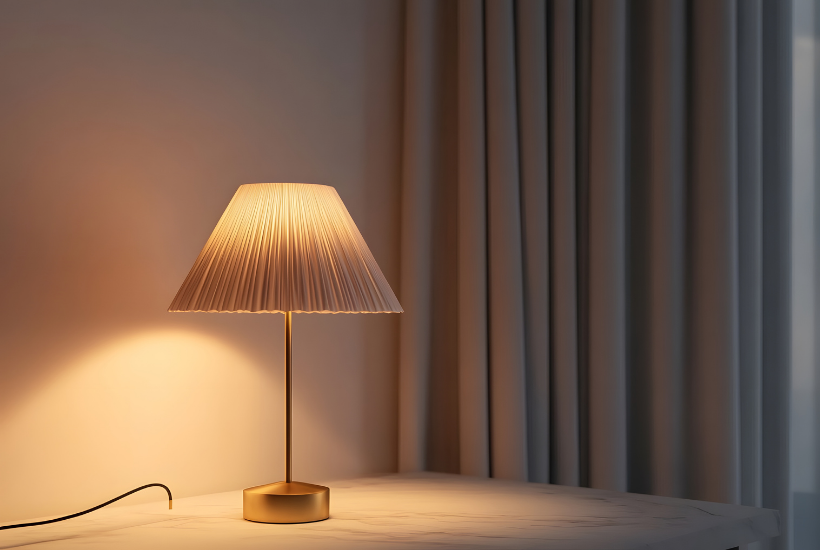
A gentle bedside night light solves this problem by providing just enough illumination without disturbing your sleep.
When choosing a night light, brightness and color temperature are especially important:
Avoid lights that are too bright—they can cause temporary dizziness when switched on at night.
A warm or neutral glow between 2700K–3500K is ideal because it won’t disrupt your biological clock.
Adjustable brightness is essential:
For reading: 300–500 lux.
For nighttime movement: 10–30 lux of soft, low light
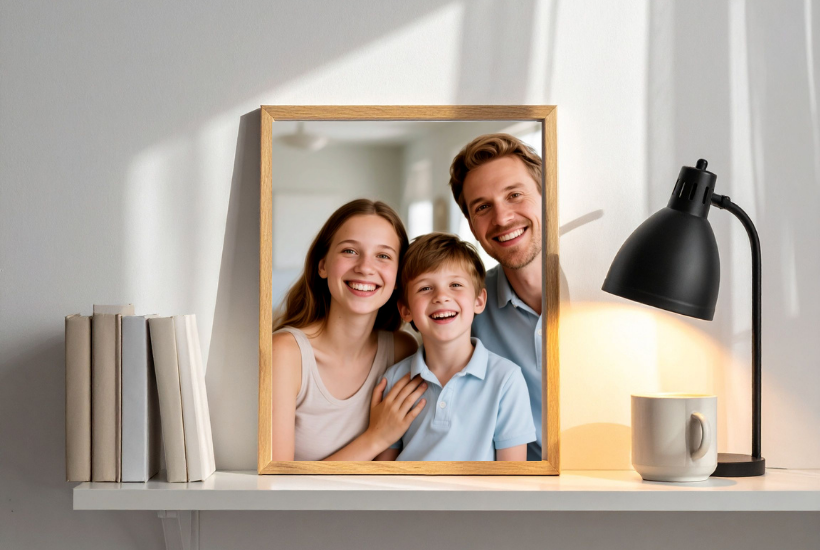
There’s nothing more meaningful on a nightstand than a family photo. Seeing your loved ones when you wake up and before you fall asleep can be the perfect way to start and end your day. Studies show that displaying family photos can increase feelings of happiness and even improve sleep quality.
While many people still use traditional printed photos, smart digital photo frames have become increasingly popular as modern homes embrace smart living. They save space, allow instant photo updates, and offer helpful features such as auto-brightness adjustment based on room lighting—ideal for nighttime comfort.
Leading brands such as Aura and Lightcomm both offer high-quality displays and intelligent brightness control.
Aura: premium display quality with higher prices.
Skylight: focuses on simple, flexible sharing features.
Lightcomm: strong all-around performance with excellent value for money.
No matter which you choose, a digital frame can make your nightstand feel warm, personal, and alive.
3. A Small Indoor Plant
If you love nature and appreciate a greener living space, a small plant on the nightstand is a wonderful addition. It adds vitality, enhances the visual appeal of the room, boosts mood, and supports overall well-being.
However, don’t place too many plants by your bedside. At night, plants absorb oxygen and release carbon dioxide, so one or two small plants are enough.
Recommended options include Dracaena, Aglaonema, succulents, orchids, or pothos.
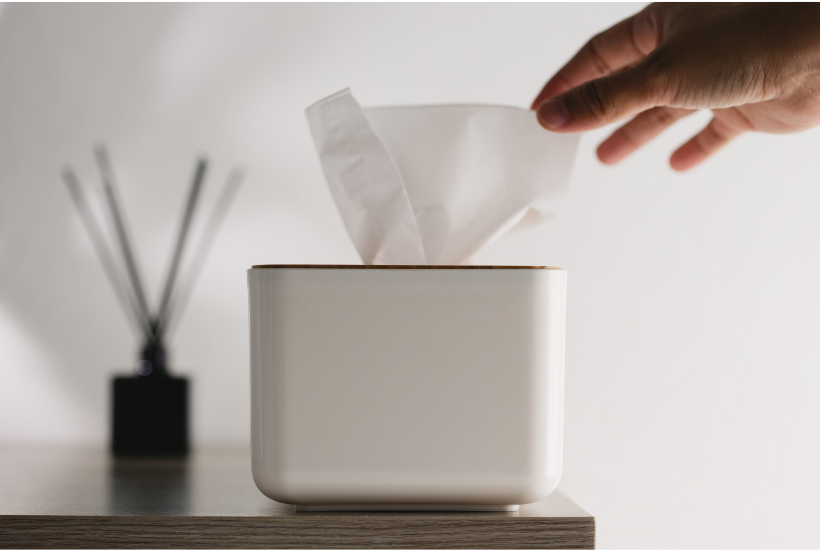
These essentials need little explanation. Having tissues and water within reach is especially helpful during winter nights when getting out of your warm bed feels impossible. Having them nearby ensures convenience and comfort whenever you need them.
5. Your Phone and Charger
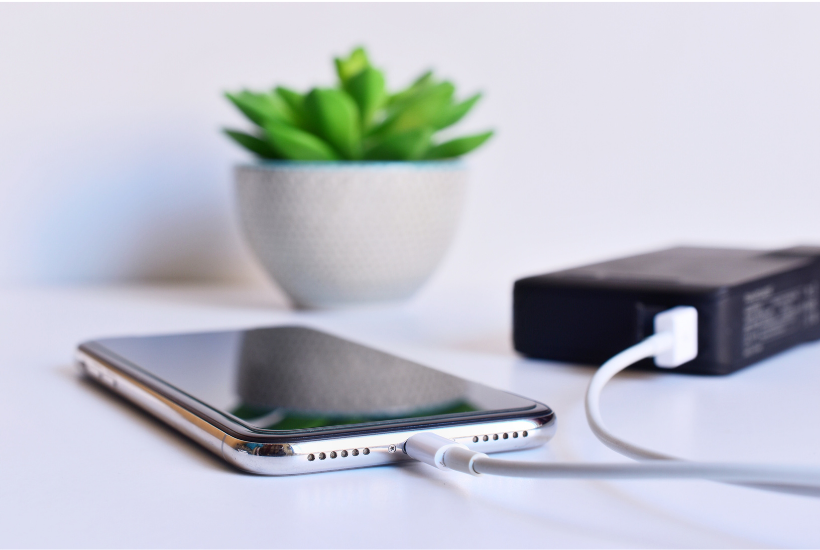
Many people avoid placing phones on their nightstand due to concerns about radiation affecting sleep. However, scientific research shows that phone radiation is non-ionizing and has minimal impact on human health. There’s no need for excessive worry.
Instead, consider the practicality: Not being able to check messages easily or turn off your morning alarm quickly can be far more inconvenient than the negligible amount of radiation your phone emits.
Books aren’t a must-have on every nightstand, but if you enjoy reading before bed, keeping one or two favorites nearby is a great idea. Reading for 20–30 minutes can ease stress and help you fall asleep faster.
Even if you’re not a book lover, try reading for just ten minutes before bed—you may find your sleep improving. I’ve tested this myself, and it works surprisingly well.
Items You Should Not Keep on Your Nightstand
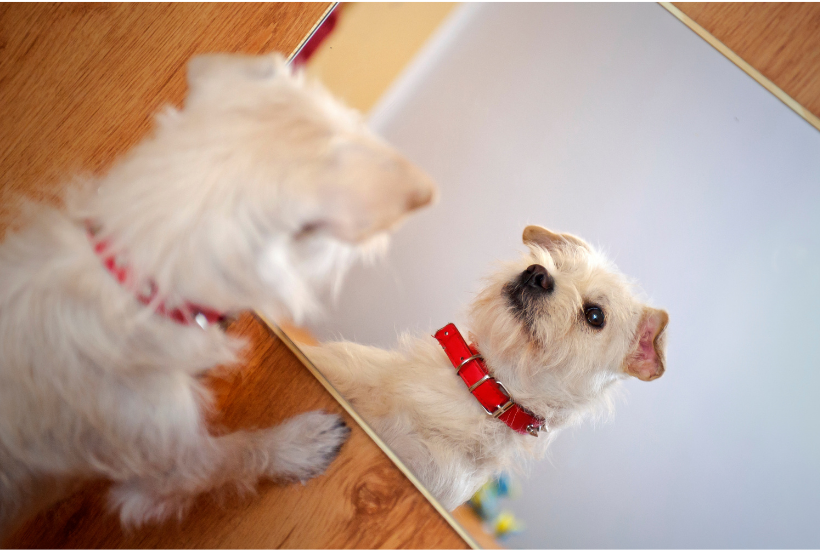
1. Mirrors
Placing a mirror on your nightstand is discouraged in Feng Shui because mirrors are believed to reflect disruptive energy, potentially affecting sleep. From a psychological perspective, catching your own reflection while half-awake can also cause sudden fright or stress, which is not ideal for rest or overall health.
Plush toys may look cute, but they’re not suitable for the nightstand. They trap dust, mites, and bacteria—especially if not cleaned regularly. Keeping them close to your face while sleeping can trigger allergies or skin irritation.
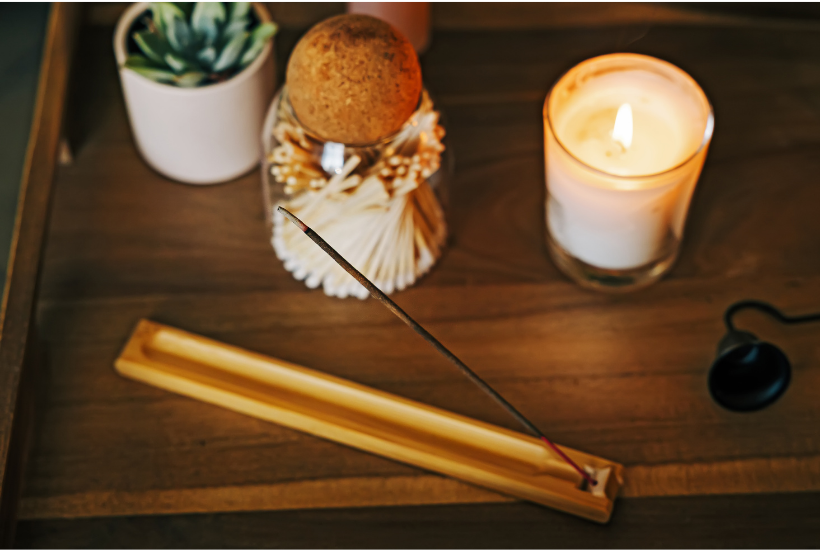
3. Open-Flame Candles or Incense
Open-flame candles are popular in countries like France, Italy, and Spain for creating a romantic dining atmosphere. Some people even place them on nightstands for ambience or sleep aid.
However, using open flames near your bed is extremely dangerous. They are close to flammable materials and can easily start a fire. Additionally, some scented candles contain chemicals that, when inhaled for long periods during sleep, may negatively affect your health.
Your nightstand setup should be based on your personal habits and comfort. Choose items that support better sleep, convenience, health, and harmony. At the same time, avoid objects that may cause safety risks, disrupt sleep, or negatively impact your well-being.
If you have more ideas or suggestions for what belongs on a nightstand, feel free to share them—I’d love to hear your thoughts!